If you garden, landscape, or compost regularly, wood chips are pure gold — for mulch, for filling garden beds, or for compost bases. The video “Making My Own Wood Chips! EFCUT C40 Chipper Review” shows how you can save money and get exactly what you need by making your own wood chips with the EFCUT C40 chipper. Rather than paying for bagged wood chips or mulch, you can process branches, prunings, and yard wood yourself — and get custom-sized chips for your projects.
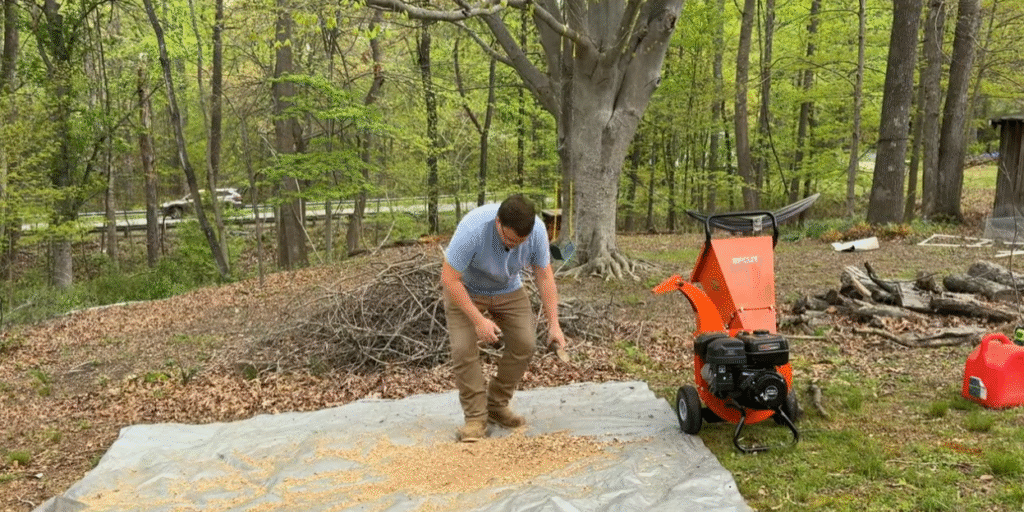
The review begins with a quick overview of the machine’s specs: The EFCUT C40 is built to handle small- to medium-sized branches from yard maintenance, pruning, or storm cleanup. It’s portable enough for home use while delivering enough power to turn thick branches into useful mulch. The video demonstrates the chipper in action — you see branches fed into the hopper, the blade system shredding them, and wood chips being discharged. It’s satisfying to watch and highly informative for anyone considering a chipper.
Next, the video covers why making your own wood chips can be a game changer:
- Cost savings: If you mulch regularly or fill garden beds, buying wood chips adds up. By using wood waste from your property — branches, prunings, leftover wood — you get free materials turned into useful chips.
- Sustainability & recycling: Instead of sending yard waste to the dump or letting it rot, you recycle it into garden-friendly mulch or soil additive material.
- Control over chip size and quality: Bagged mulch can be inconsistent. With your own chipper, you choose branch size, chip size, and dry vs. green wood — giving you consistent results for compost, mulch, or bed filling.
- Convenience & flexibility: You get chips on demand — no waiting for bagged mulch availability.
The video also gives practical tips: feed branches gradually rather than forcing large logs at once; wear safety gear; and aim for a mix of fresh and slightly dried wood for balance between quick breakdown and long-lasting mulch.
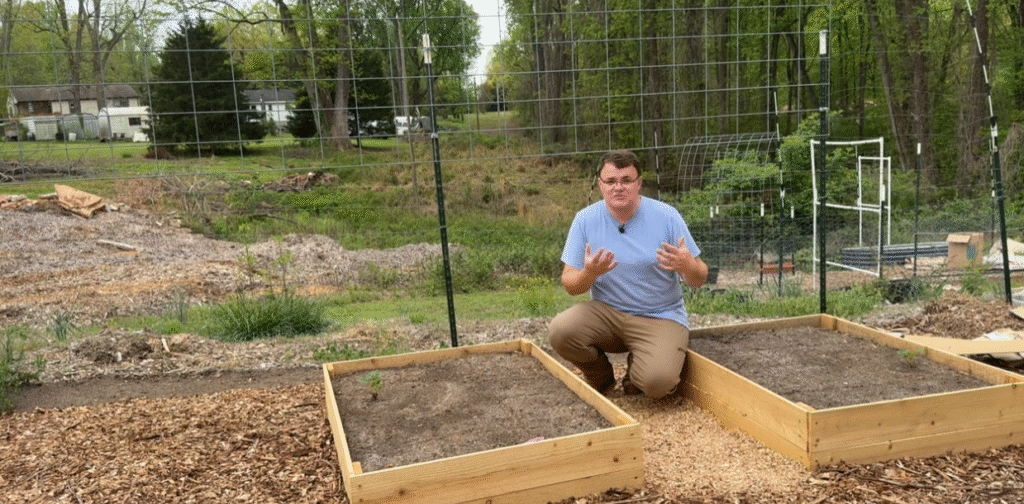
In the demo, after the wood chips are generated, the presenter shows how they can be used — spreading as mulch around trees and shrubs or layering in raised beds. That ties back to the previous gardening idea: use wood chips and organic materials at the bottom of deep beds to save money filling them (a great companion method to other space- and budget-smart gardening strategies).
The review ends with a clear verdict: if you have a moderate amount of yard wood waste (branches, trimmings, small logs) and want a simple way to turn that waste into useful gardening material — for mulch, compost base, or bed filling — the EFCUT C40 offers good value for homeowners. It’s not industrial-level, but ideal for home gardeners, small acreage, or property maintenance.
🌿 When This Video & Chipper Method Work Best
- You have trees or shrubs that generate prunings or branches regularly (seasonal pruning, storm cleanup, trimming).
- You garden or landscaping often, requiring mulch or wood-chip beds or pathways.
- You want to compost or build raised/tall beds without spending on commercial mulch or soil amendments.
- You care about sustainability — reusing yard waste instead of discarding.
⚠️ Things to Keep in Mind
- The chipper has limits: too-large logs or thick tree trunks may exceed its capacity — it’s best for small/medium branches.
- Safety matters: proper gloves, eye protection, and caution are necessary when operating a chipper.
- Wood chips from fresh wood may initially pull nitrogen from surrounding soil during breakdown; mixing with compost or letting chips age before heavy planting helps avoid nutrient imbalances.
- Output may vary: dry wood chips vs. green wood chips behave differently in mulch/decomposition — plan usage accordingly.
✅ Why This Video Is Worth Watching
If you’ve ever wondered how to turn yard waste into gardening gold, “Making My Own Wood Chips! EFCUT C40 Chipper Review” shows step-by-step exactly how to do it. It’s practical, budget-conscious, and empowering — giving you control over your garden’s mulch and soil materials. For anyone working on raised beds, composting, or sustainable landscaping, the video is a smart starting point.