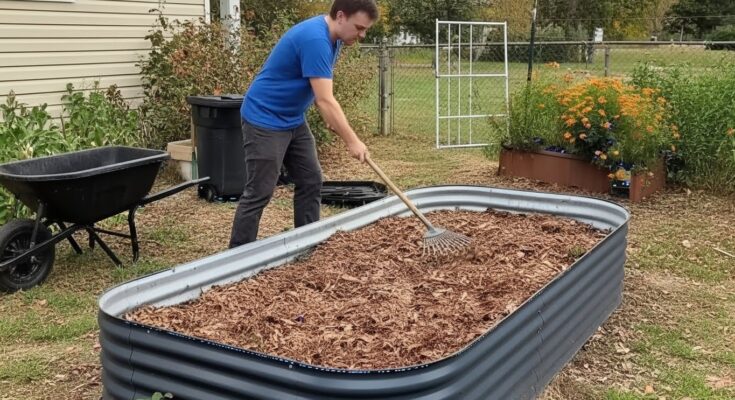
Filling tall garden beds can quickly become expensive if you rely solely on bagged potting soil or premium topsoil mixes. The video “Save money filling tall garden beds” offers a smart solution: you can dramatically reduce costs — and even improve soil health — by using bulk organic and reused materials to fill most of the bed volume, then topping with quality soil only where plants root.
1. Use Bulk Organic Materials at the Bottom
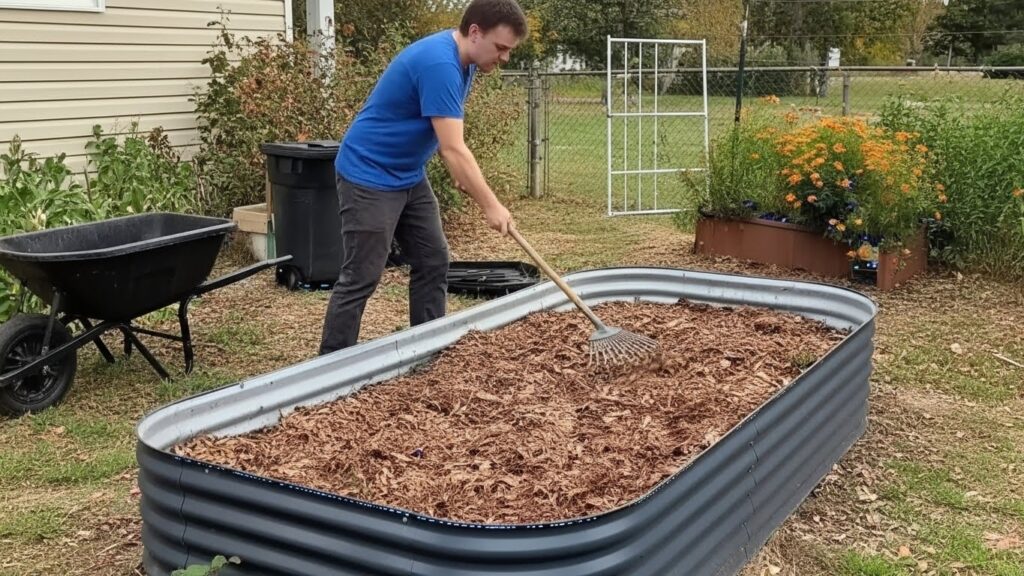
Instead of filling the entire bed with expensive soil, start by layering bulky—but cheap or free—organic materials at the bottom. Things like old logs, branches, wood chips, leaves, grass clippings, or yard waste can be used. Over time, they decompose, breaking down and creating rich, loamy soil — often better than what you could buy in a bag.
This method — sometimes referred to as Hügelkultur (or a variation of it) — uses natural materials to build volume from the base up. Start with larger pieces (logs, thick branches), then layer smaller wood chunks, leaves or grass clippings, and other yard waste. As decomposition proceeds, the bed gradually compresses — but that’s expected.
2. Layer Compost, Mulch, and Soil Wisely
Once the bulk of the bed is filled with these organic materials, you don’t need to use expensive potting mix everywhere. Instead:
- Add a middle layer of compost or partly decomposed organic matter for nutrients.
- Then add a final top layer of quality soil or topsoil — just enough for your plants to root in. This significantly cuts down on the volume (and cost) of soil you must buy.
Alternately, you can use a “lasagna layering” or “sheet mulching” approach: layering materials like cardboard or paper, compost, straw or mulch, then soil — building up fertility and structure while using minimal purchased soil.
3. Benefits: Cheaper, Eco-Friendly, and Soil-Building
- Cost savings: Because bulky organic fillers (logs, leaves, wood chips) are often free or very cheap, you avoid purchasing large amounts of expensive soil. The only purchased soil you’ll need is the top layer.
- Better soil over time: As the organic materials break down, they add nutrients, improve drainage, and increase microbial activity — creating a richer environment for plants.
- Less waste: Instead of discarding yard waste, you recycle it into valuable garden soil. This reduces waste and makes use of leftovers — branches, leaves, grass clippings — that might otherwise be thrown away.
4. Important Considerations & Timing
- Decomposition = settling: Because organic fillers decompose over time, the bed will sink somewhat. That’s normal — plan for it by leaving extra space if you’re filling a “tall” bed.
- Topsoil layer crucial: Don’t skimp on the final layer. The top 6–12 inches (or as appropriate) should be good-quality soil or compost-soil mix: that’s where your plant roots will grow.
- Avoid fresh wood chips at root level: Fresh wood chips or logs may temporarily rob soil of nitrogen as they break down. If you use fresh wood, add compost or nitrogen-rich material near the top layer or wait some time before planting. Many gardeners avoid planting directly where decomposition is active.
- Be patient: Because the base material decomposes slowly, you might need to wait a few weeks (or even months) for the bed to settle and the soil structure to stabilize before planting.
Why This Video and Method Work Well
The video “Save money filling tall garden beds” shows exactly what many gardeners don’t realize — that you don’t need high-volume soil for the entire bed. By combining bulky organic waste, compost, mulch, and a modest amount of quality soil, you can build a deep, healthy garden bed without spending a fortune. This is especially helpful if you build tall or deep beds, or if you’re on a budget.
This method also aligns with what gardening experts recommend: alternatives to straight-up potting soil — like compost, wood chips, branches, leaves, and layering techniques — are often cheaper, sustainable, and can build better soil over time.