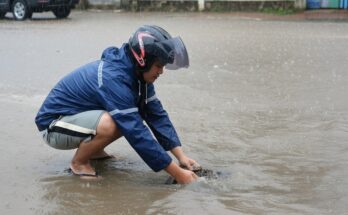
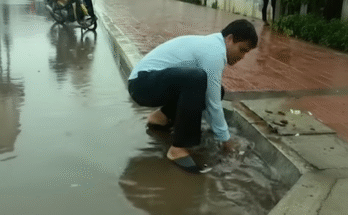
Culvert drains are one of the most important parts of road drainage systems, especially during the rainy season. Although many people may not notice them in daily life, culverts play a vital role in keeping streets dry, roads safe, and communities protected from flooding. Cleaning culvert drains regularly during the rainy season is essential to prevent serious problems that can affect infrastructure, public health, and the environment.
During heavy rainfall, large amounts of water need to flow quickly away from roads and streets. Culvert drains are designed to carry rainwater under roads and guide it safely to canals, rivers, or drainage channels. However, when culverts become blocked by mud, leaves, plastic waste, tree branches, or garbage, water can no longer flow freely. This causes rainwater to back up and flood the road surface.
Street flooding is not just inconvenient; it is dangerous. Flooded roads reduce visibility, increase the risk of traffic accidents, and make it difficult for vehicles and pedestrians to move safely. In some cases, flooding can block entire streets and isolate neighborhoods. By keeping culvert drains clean, water can drain efficiently, reducing flood risk and keeping roads open during storms.
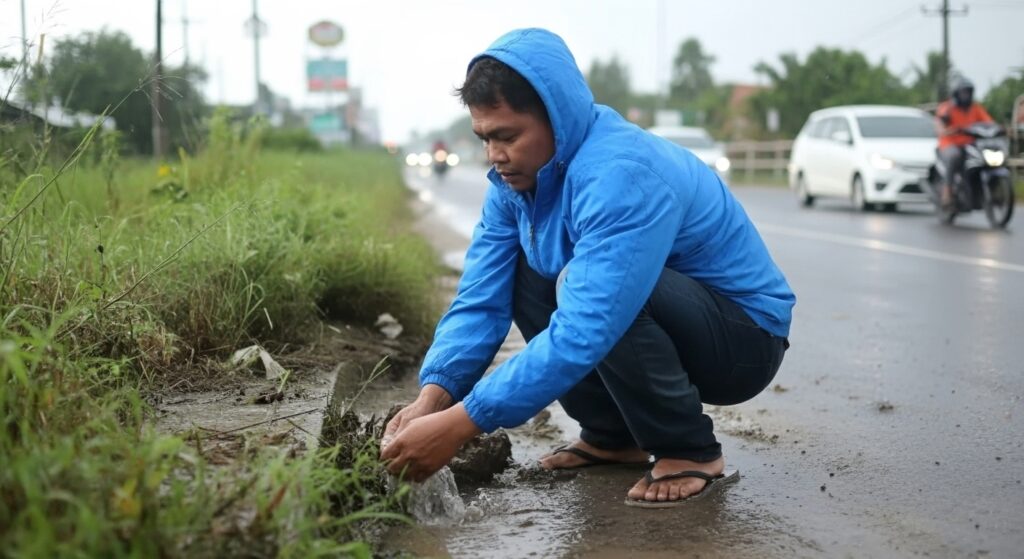
Another major reason why culvert cleaning is important during the rainy season is road protection. Standing water weakens asphalt and concrete over time. Flowing floodwater can erode the soil underneath roads, leading to cracks, potholes, and even road collapse. Repairing damaged roads is expensive and time-consuming, while regular drain cleaning is simple and cost-effective. Preventive maintenance helps extend the lifespan of roads and saves public funds.
Public health is also closely linked to drainage conditions. Blocked culvert drains often trap stagnant water, which becomes a breeding ground for mosquitoes and insects. This increases the risk of diseases such as dengue fever, malaria, and other water-related illnesses. Floodwater may also carry bacteria, waste, and harmful pollutants into residential areas, putting families at risk. Clean drainage systems help reduce these health hazards and create a safer living environment.
Environmental protection is another key benefit of clean culvert drains. When drains overflow, polluted runoff mixed with trash, oil, and chemicals can flow directly into rivers and canals. This harms aquatic life and contaminates water sources. Proper drainage helps control runoff and protects natural ecosystems from pollution during heavy rain.
This video highlights the importance of cleaning culvert drains before and during the rainy season. It reminds viewers that drainage maintenance is not only the responsibility of authorities but also a shared responsibility of the community. Avoiding littering, disposing of waste properly, and reporting blocked drains early can make a big difference.
In conclusion, cleaning culvert drains during the rainy season is essential for flood prevention, road safety, public health, and environmental protection. Small actions like regular inspection and cleaning can prevent major problems and help keep communities safe, clean, and resilient during heavy rains.