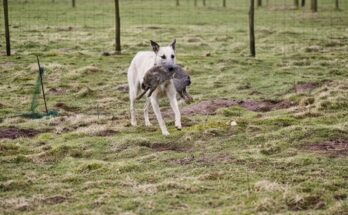
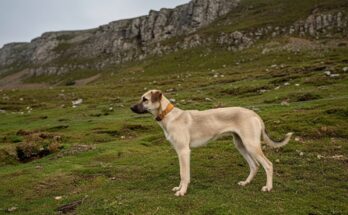
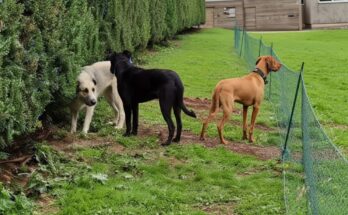
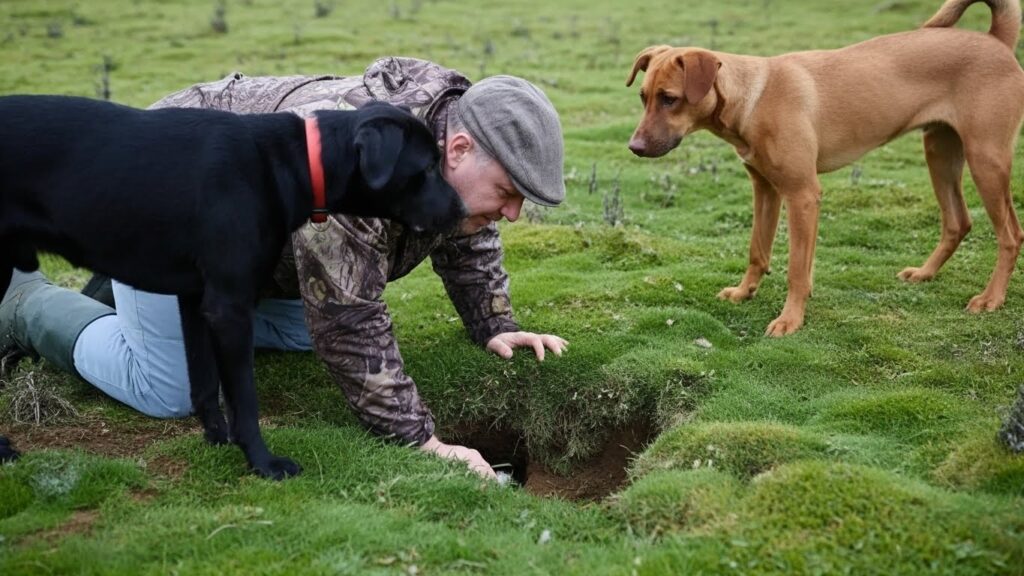
In this video, the creators head out into “the Dales” for a day of ferreting — using ferrets (and long-nets) to flush out rabbits from their burrows — and reportedly succeed in removing 18 rabbits over the course of the outing.
We meet participants named Josh, Jess, Megan, and Paige, who work together with ferrets and nets to tackle a rural area.
Overall, the video documents a traditional form of “rabbiting” in a countryside setting, combining outdoorsmanship, teamwork, and animal-assisted hunting technique.
✅ What the video does well
- Clear and straightforward documentation: The video doesn’t distract with unnecessary fluff: it shows the ferreting process, the setup (nets + ferrets), and most importantly — the results (rabbits removed). This gives a real “field report” feel.
- Teamwork & organized approach: The presence of multiple people working together (instead of a lone hunter) gives a sense of coordination and cooperation. It shows how ferreting done properly is rarely a solo effort.
- Educational for those unfamiliar with ferreting: For viewers who don’t know how ferreting works, this gives a concrete demonstration: how ferrets are used, how nets are placed, how rabbits are flushed and captured.
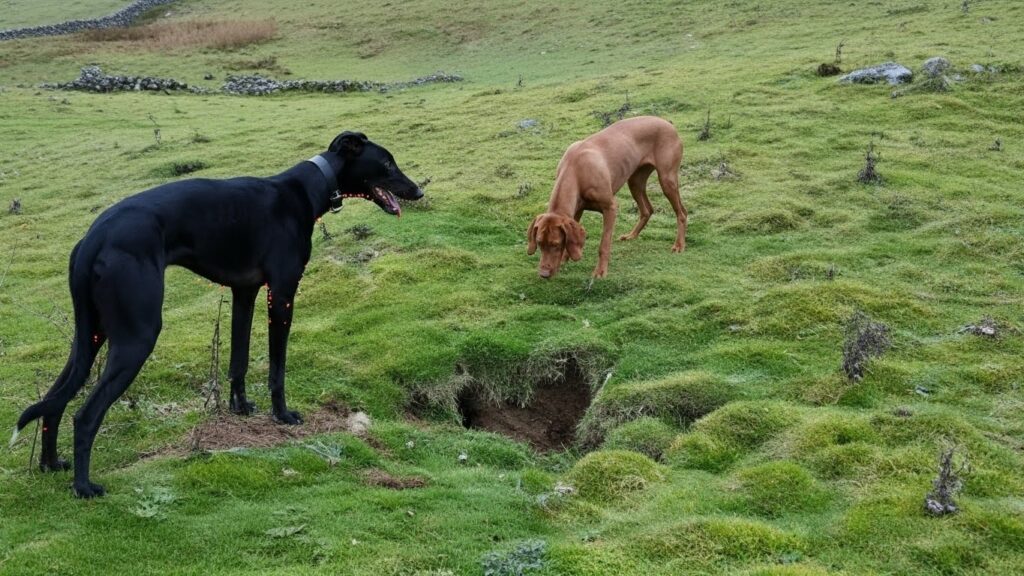
- Authentic rural atmosphere: The setting (“the Dales”) gives a nice backdrop — you can almost feel the countryside: it immerses the viewer in a context that’s quite different from urban life.
⚠️ Potential concerns or aspects to consider
- Ethical / conservation questions: Ferreting and “removal” of rabbits may raise questions for some viewers about wildlife treatment, animal welfare, and ecological impact. The video doesn’t appear to engage with those issues directly — it’s more of a “documentary/action” style than a reflection on ethics.
- Not for everyone: For viewers uncomfortable with hunting, trapping, or the use of animals in such a way, this video may be disturbing or off-putting.
- Limited context: The video shows the action and the result (18 rabbits removed), but doesn’t provide deeper context — e.g. why rabbits are being removed, whether it’s pest control, population management, farmland protection, or just recreational hunting. That leaves moral and ecological questions unanswered.
- Focus on output, not consequences: There’s little to no information on what happens to the rabbits after removal — or on the impact of removing them (on the environment, on rabbit populations, on local ecosystem).
🎯 Who might find this video interesting / useful
- People curious about traditional countryside practices, especially ferreting or rabbit control/hunting — the video shows real techniques and real outcomes.
- Viewers who enjoy “outdoor adventure” content: the mix of teamwork, countryside environment, and action gives a rustic, real-life adventure vibe.
- Those studying or interested in rural livelihoods, pest control, or wildlife management — as a practical example (though with the caveats above).
- People looking for “raw” or “unfiltered” documentary-style content — the video doesn’t glamorize or sugarcoat; it shows the process plainly.
🧠 My thoughts & recommendations
If I were you and browsing YouTube or exploring what rabbiting / ferreting is — I’d watch this video. It gives a grounded, honest account of what a day of ferreting in the Dales looks like. That said, I’d watch it with some awareness: this is not simply lighthearted countryside fun — it involves real animals, real removal, and ethical considerations that the video doesn’t explore.
If you like this style, I’d recommend exploring more from the same creators: for example, the playlist Rabbit Express collects many such “ferreting / rabbiting” videos.
At the same time, it might be valuable — if you’re thinking of sharing or discussing such videos — to seek out some commentary or discussion on the welfare and ecological side, to balance the “raw action” with a broader understanding of consequences.