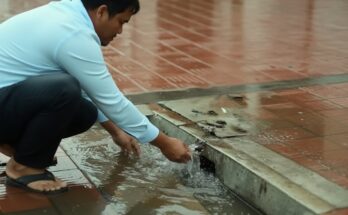
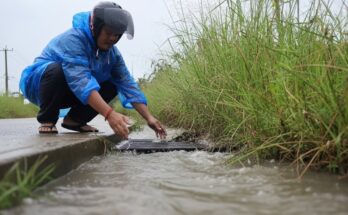
A culvert is a structure that channels water — often rainwater or runoff — under or beside roads so that drainage works smoothly.
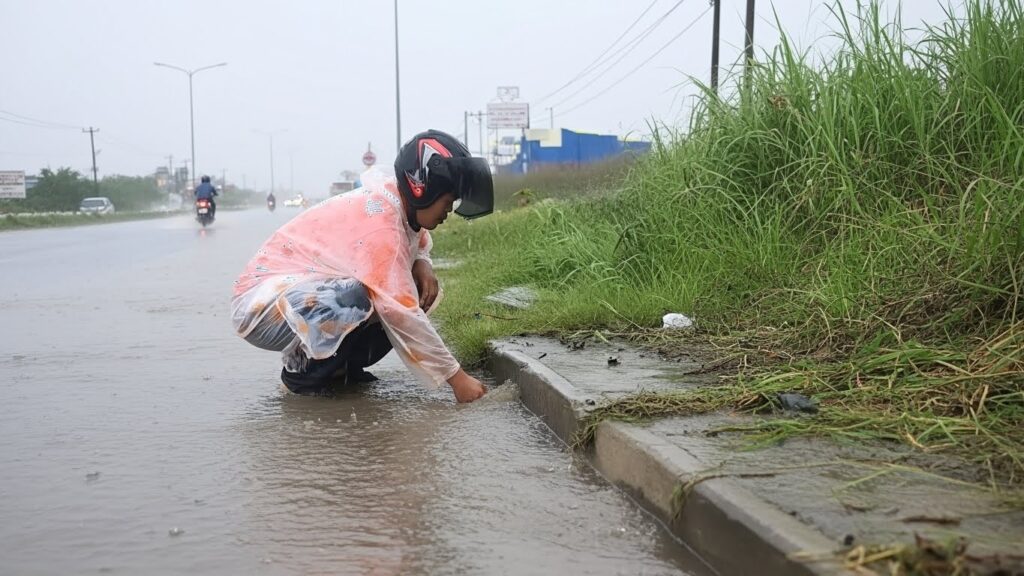
When drains or culverts get blocked by debris, garbage, leaves, sediment, or trash, they can no longer redirect water properly. This leads to water accumulating on the streets, roads, or near houses.
Here’s why keeping them clean is important:
- Prevents Flooding and Water Accumulation: Clean drains allow rainwater to flow away quickly. Blocked drains can cause localized flooding, water stagnation, and overflow onto roads and sidewalks — especially risky during heavy rains.
- Protects Infrastructure and Roads: Uncontrolled surface water from clogged drains can erode soils, undermine roadbeds, damage pavements, and even destabilize entire road segments or embankments.
- Promotes Public Health: Stagnant water becomes a breeding ground for mosquitoes and pests. This increases risks of mosquito-borne or water-borne diseases — an especially serious concern in urban and tropical areas.
- Preserves Water & Environmental Quality: Drains collect rainwater runoff — which often carries pollutants like oil, chemicals, litter, and waste from streets. If drains are clogged these pollutants can end up in rivers, lakes, or groundwater, harming aquatic ecosystems and contaminating water supplies.
- Supports Smooth Urban Life & Economy: Clean drainage keeps streets passable, avoids traffic jams from floods, prevents property damage, and reduces repair costs. In the long run, regular maintenance is far cheaper (and safer) than dealing with flooding aftermath or infrastructure failure.
📋 Suggested Video Outline / Script (~500 words)
Below is a draft you can use for your video — you may record voice-over while showing visuals of blocked drains, cleaning work, before/after footage, rainstorms, etc.
Intro
“Hello everyone! In this video, we’re talking about something that many people might overlook — culverts and street drains. But these simple drainage structures play a huge role in keeping our streets, homes, and city safe, especially when it rains. That’s why cleaning and keeping them clear is so important.”
What is a culvert / street drain — and how does drainage work
“A culvert — or street drain — is basically a passage that carries rainwater or runoff under roads or along streets, so water doesn’t accumulate on surfaces. When rain falls, especially heavy rain, the water needs somewhere to go. Clean drains channel it safely away. If those drains are blocked, water has nowhere to go — and that’s when problems start.”
Problems caused by blocked drains / culverts
“When drains get clogged with leaves, trash, sediment, or debris, several bad things can happen:
- Water backs up, pooling on streets and sidewalks. This can lead to flooding.
- Roads and sidewalks can get damaged over time from water erosion or from repeated flooding. Pavements may crack, sub-grades can erode, and road stability can be compromised.
- Accumulated water creates stagnant puddles — breeding grounds for mosquitoes and pests, which can spread diseases.
- Rainwater runoff carrying pollutants (oil, trash, chemicals) may overflow, washing directly into rivers, canals or groundwater — polluting water sources and harming aquatic life.”
Why cleaning and maintenance are the solution — and worth investment
“By cleaning drains and culverts regularly, we ensure water flows freely during rain, preventing floods and damage. This small preventive action saves a lot of trouble and expense. It protects roads, houses, and the environment. It also reduces health risks tied to stagnant water and improves the overall quality of life in the community.”
What we should all do (and what local authorities/community can do together)
“Each of us can help: avoid dumping trash, plastic, leaves or waste into street drains. Communities can organize regular drain-cleaning drives, especially before rainy seasons. Local governments and city planners should schedule routine inspections and maintenance. Also, public awareness matters — understanding that a drain is not just a gutter, but vital infrastructure for safety, health, and environment.”
Conclusion / Call to Action
“So next time you see a drain — maybe under a grate or along a street — remember: it’s not just concrete. It’s part of what keeps us safe, keeps our city functioning, and protects our environment. Let’s all do our part: keep drains clear, avoid littering, and encourage regular maintenance. Share this video with your friends and neighbors — because preventing floods and pollution starts with everyone. Thank you for watching!”
✅ Why This Message Is Important (Summary)
Maintaining clean culverts and drains is more than just city maintenance — it’s flood prevention, infrastructure protection, public health promotion, and environmental preservation. Regular cleaning reduces risk of road damage, flooding, disease spread, and water contamination. It’s cost-effective and benefits the whole community.
Given our climate and frequent heavy rains (especially in many Southeast-Asian cities), paying attention to drain upkeep can make a big difference in preventing damage and keeping cities livable and safe.