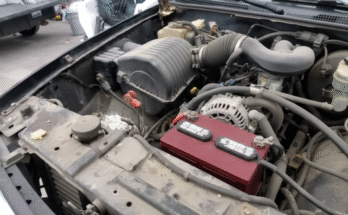
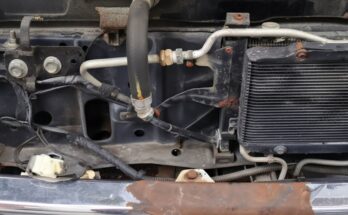
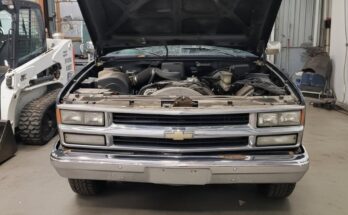
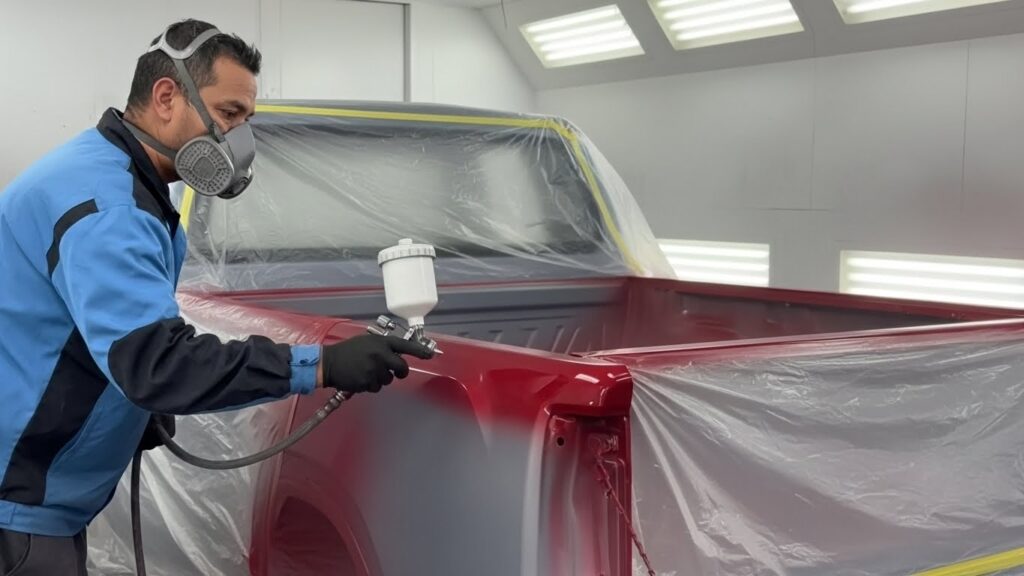
The “RED PEARL PROFESSIONAL PROCESS PAINT JOB” video demonstrates a professional-level approach to painting a car with a red-pearl finish. In the clip, the painter uses two coats of basecoat plus an “orientation coat,” which — according to the video creator — was enough to cover the surface “really well and just looks so good.” YouTube
That means rather than using a heavy or excessive amount of layers, the painter relies on precise application of basecoat and pearl layers to deliver a clean, even, high-quality finish. The result is a smooth, deep, glossy red pearl that likely has a solid color foundation and then the pearl/chrome-like effect on top, giving real depth and richness.
🧰 Why it matters — what “red pearl / professional paint job” gives you vs. standard paint
- A “pearl” paint job — especially when done as a multi-stage process — can produce much more visual depth, richness, and dynamic color shifts compared to a plain solid or metallic paint.
- Good basecoat application + correct pearling + proper clear-coat/topcoat makes the vehicle surface more vibrant, shiny, and durable. In fact, similar multi-stage techniques inspired classic finishes like Candy Apple Red — where a reflective metallic undercoat is followed by transparent color coat and then clear coat for depth and shine. Wikipedia+1
- The “professional process” matters because if the underlying bodywork or basecoat is imperfect, a pearl finish will highlight flaws instead of hiding them. So surface prep, evenness of basecoat, and pearl layering must be done carefully.
✅ What the video shows — Key takeaways
- Efficient layering — using just two coats of base and an orientation coat, yet achieving full, even coverage. This shows that over-building layers is not always necessary if done correctly. YouTube
- Clean and consistent application — the end result looks smooth and even: no obvious streaks, blotches, or uneven coverage. That suggests the painter maintained good technique: right spray gun distance, consistent motion, good ambient conditions (dust-free, stable temperature), etc.
- Good “pearl finish” effect — the red pearl gives a lustrous, deep shine and a premium look — more attractive than plain or flat finishes. It likely reflects light in a way that brings out subtle shimmering and depth depending on viewing angle and lighting.
- Professional result without overcomplication — using a simple, well-done process rather than excessive layering — which may help reduce material waste, save time, yet still deliver high-quality outcome.
🧑🔧 What you (or someone doing a similar paint job) can learn / replicate
- Start with a well-prepared surface — make sure bodywork is smooth, primed, free of dust and imperfections. Pearl and candy finishes accentuate every bump or flaw.
- Use a solid basecoat layer first — this ensures color depth and foundation for the pearl effect to “pop.”
- Apply the pearl coat (or “orientation coat” + pearl) properly: spray evenly, at correct distance and speed — consistency is important for a smooth, even pearl coverage.
- Finish with a clear coat (if not shown explicitly, but common in pearl jobs) to protect the finish and add gloss / shine. This protects against UV, chips, weathering, and also enhances the depth of the pearl.
- Don’t overdo the layers — quality of system and technique matter more than quantity. Too many layers can lead to runs, sagging, or other imperfections.
📈 Wider context — Why pearls, candy finishes, and multi-stage paint jobs remain popular
Historically the multi-stage candy/pearl paint technique (for example, the classic “Candy Apple Red”) became popular because of the visual depth and “life” they give to a surface. Light passes through the transparent color coat, reflects off the metallic undercoat, and passes back — creating a deep, lustrous, shimmering effect that changes with angle and lighting. Wikipedia+1
Modern pearl paints build on that — mixing in fine mica or pearl flakes into transparent coats for subtle shimmer, or using tinted clear-coats to give more nuance. When done professionally, these finishes look premium and can dramatically enhance a vehicle’s appearance beyond what standard solid or metallic paints deliver.
💡 In summary
“RED PEARL PROFESSIONAL PROCESS PAINT JOB” is a great example of how, with the right technique and materials, a simple but well-executed base-plus-pearl paint process can yield a deep, lustrous, high-quality finish. The video shows that you don’t need to over-layer; rather, attention to surface prep, precise basecoat, careful pearl application and likely clear coating — executed cleanly — is what produces a standout finish. If you plan to do a similar job (car, motorcycle, bike, etc.), this is a good demonstration of “less is more” — but only if done with discipline and care.